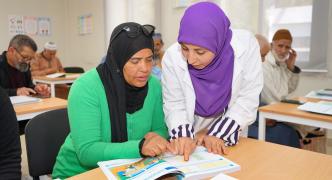
Lifelong learning (LLL) is a cornerstone of modern education policy. It is based on a fundamental principle: learning is a universal right, accessible to all, at every stage of life and in every setting. It goes far beyond the traditional boundaries of schooling or age-based education. It includes all life situations in which individuals can acquire knowledge, develop skills, and improve their interpersonal competencies.
According to Morocco’s Framework Law 51.17, lifelong learning is defined as the system of opportunities that allows every citizen—regardless of age or circumstances—to access diverse forms of knowledge, skills, and qualifications. The aim is to support personal development, social and economic inclusion, and active civic participation.
Inspired by UNESCO’s vision, lifelong learning calls for a reimagining of education’s role. Education is no longer limited to transmitting formal knowledge; it now supports environments that foster personal development, flexible learning paths, and the recognition of all forms of learning—formal, non-formal, and informal.
Lifelong learning gained renewed momentum in 2022 with the adoption of the Marrakech Framework for Action during CONFINTEA VII (June 2022). This landmark document highlights the transformative power of adult learning and education. It stresses the importance of acquiring, validating, sharing, and adapting both youth and adult skills as a core dimension of lifelong learning.
Lifelong learning enables individuals to adapt to societal, technological, environmental, and labor market changes regardless of their background. It promotes inclusive, self-directed learning, driven by motivation, civic engagement, and continuous improvement.
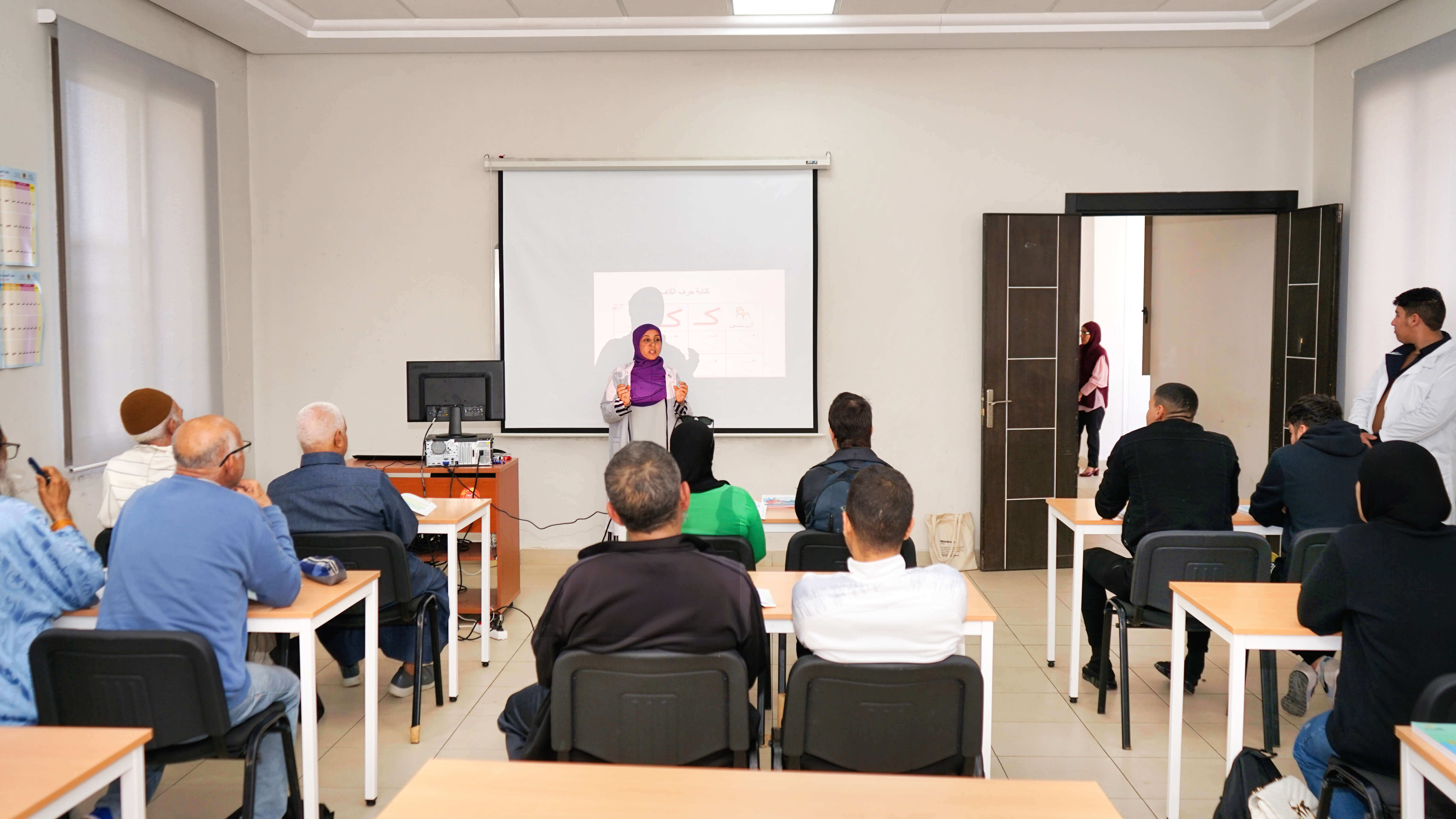
Why Is LLL a Strategic Priority for ANLCA?
The ANLCA has placed lifelong learning at the heart of its strategic vision. This aligns with its mission to eradicate illiteracy and ensure education for all. By focusing on lifelong learning, ANLCA aims to:
- Ensure equitable access to learning regardless of age, background, or location.
- Acknowledge all learning types from formal education to work, volunteering, and life experience.
- Foster inclusion by helping individuals gain essential skills for employment, entrepreneurship, and civic life.
- Prevent relapse into illiteracy by reinforcing core competencies through continuous learning.
- Strengthen resilience in a rapidly changing world through lifelong adaptability.
Through its commitment to lifelong learning, ANLCA also supports the Sustainable Development Goals—especially Goal 4, which seeks to ensure inclusive, equitable, and quality education and promote lifelong learning opportunities for all.