IFMA is designed as a hybrid skills development platform covering all key roles along the literacy value chain.The professionalization of these roles is essential to improving the quality of literacy and post-literacy programs. Ultimately, the impact is measured by learners’ autonomy and skill acquisition.
A diagnostic study of the literacy ecosystem identified four essential roles within the sector:
- Literacy Instructor
- Supervisor
- Trainer of Trainers
- Training Manager
As a hybrid skills development platform, IFMA’s training model aims to:
- Accommodate the diversity of learner profiles within each role;
- Ensure comprehensive geographical coverage and representation across professions;
- Professionalize the sector by establishing conditions for delivering high-quality training.
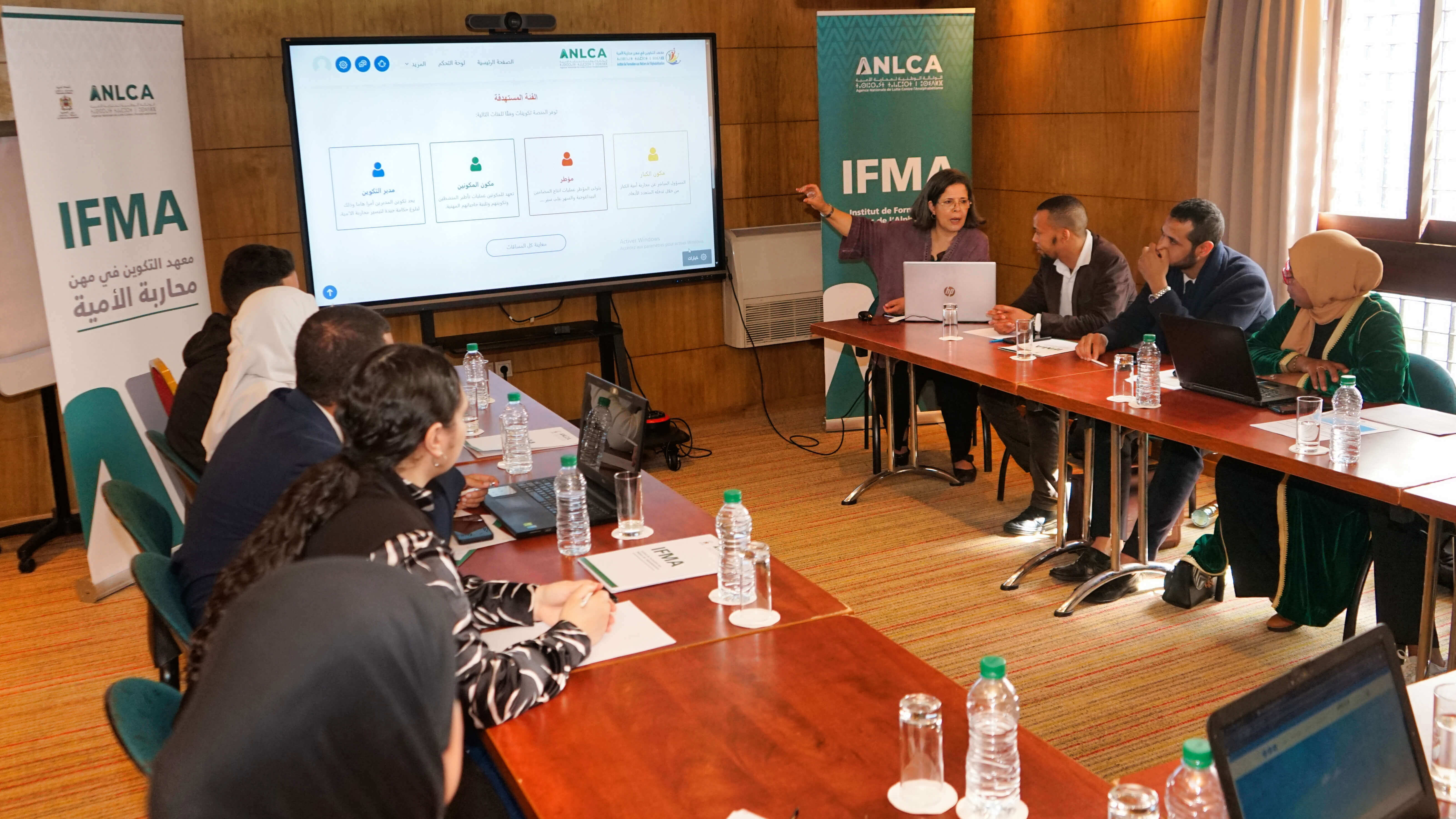
ANLCA’s adoption of a hybrid training model through IFMA represents a major transformation in the literacy landscape. By integrating face-to-face and digital learning, it creates a more dynamic, accessible, and learner-centered environment.
Hybrid training also encourages creativity and innovation among instructors and learners. Grounded in an andragogical approach, IFMA incorporates diverse teaching strategies to make education more engaging, effective, and aligned with real-life needs. This approach encourages the exploration of new pedagogical pathways, making education more engaging, effective, and relevant to real-life contexts.
For each of the four professional roles, clear competency profiles have been developed to expand professional responsibilities and adapt to ongoing policy reforms aimed at human capital development.
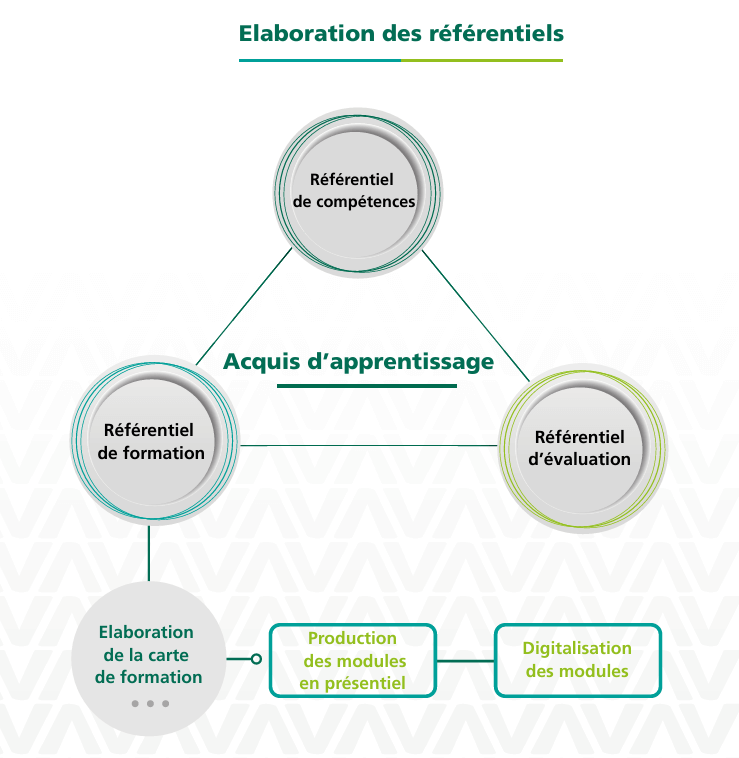
IFMA follows a structured instructional design process—starting with a competency-based framework, then developing reference documents, training curricula, and modular content to ensure relevance and quality.
IFMA follows a structured instructional design process—starting with a competency-based framework, then developing reference documents, training curricula, and modular content to ensure relevance and quality.