Evaluation and Certification Project

The Evaluation and Certification Project is a key component of the 2023–2027 Roadmap, directly aligned with the strategic goal of improving the quality and impact of literacy programs. By integrating evaluation into every stage of the learning process, the National Agency for the Fight against Illiteracy aims to strengthen learning outcomes and promote lifelong learning opportunities for all.

Through the organization of certification-based evaluations, the Agency seeks to:

  • Assess the level of knowledge and skills acquired by beneficiaries during their literacy journey.
  • Foster a culture of evaluation and self-assessment among learners.
  • Create pathways to complementary or continuing education—whether professional, qualifying, or academic.
  • Encourage sustained engagement in lifelong learning.
  • Facilitate access to vocational training programs and formal education.

To achieve these objectives, the Agency has developed a structured approach to evaluation, covering four main stages:
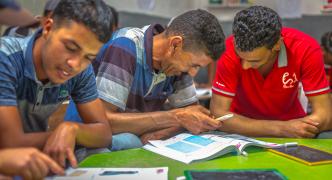
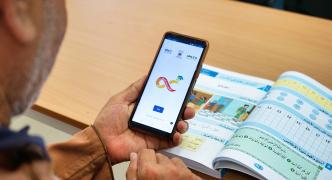
A straightforward yet powerful tool for identifying each learner’s current skills and specific needs, ensuring they are placed in the most suitable learning environment.

A continuous, learner-focused assessment process designed to monitor progress, identify areas for improvement, and provide targeted support throughout the learning program.
 

Conducted by partner NGOs, this stage measures the skills acquired during the program using an approved evaluation kit composed of standardized exercises and control tools. It ensures that learning outcomes are consistent and measurable.

Organized by the Agency’s provincial delegations in coordination with NGOs, this final assessment verifies the competencies achieved at each level. Successful participants are awarded an official certificate, recognizing their learning achievements.

The certification process applies to the evaluation of learning outcomes at the end of each literacy program. It not only verifies newly acquired skills but also validates knowledge gained through previous experiences. This official recognition supports alternative learning pathways, opens doors to further training opportunities, and reinforces the principle of lifelong learning as a driver of empowerment and social inclusion.