Literacy programs

Literacy, as envisioned and implemented by the National Agency for the Fight against Illiteracy ANLCA, extends far beyond the mere transmission of technical skills. Its goal is to empower individuals to engage independently with written language across all areas of their lives—personal, professional, and social. From this perspective, literacy becomes a vital lever for human development, social integration, and active civic participation. It forms part of a holistic vision of education as a means of emancipation and autonomy.

Accordingly, ANLCA’s literacy programs embrace an andragogical approach tailored to the specific needs and realities of adult learners. Unlike traditional pedagogical methods aimed at children, andragogy recognizes adults as active participants in their own learning process. Building on their experiences, sense of responsibility, and motivation, adult learners are encouraged to navigate their own learning paths within a flexible, contextualized environment that respects the diversity of their backgrounds.

This approach fosters a collaborative relationship rather than a top-down transmission of knowledge. The objective is not to impose information but to create conditions that enable each individual to develop practical and transferable skills applicable to everyday life. The programs focus on enhancing communication, comprehension, and reasoning abilities; supporting the fulfillment of family and social roles; promoting participation in economic and community activities; and facilitating access to further training and lifelong learning opportunities.

By integrating these aspects, ANLCA offers an inclusive and empowering literacy model that enables each learner to take an active role in their personal development, while contributing to a more equitable and inclusive society.

Principles of the ANLCA's Andragogical Approach
 

Image
PHOTO

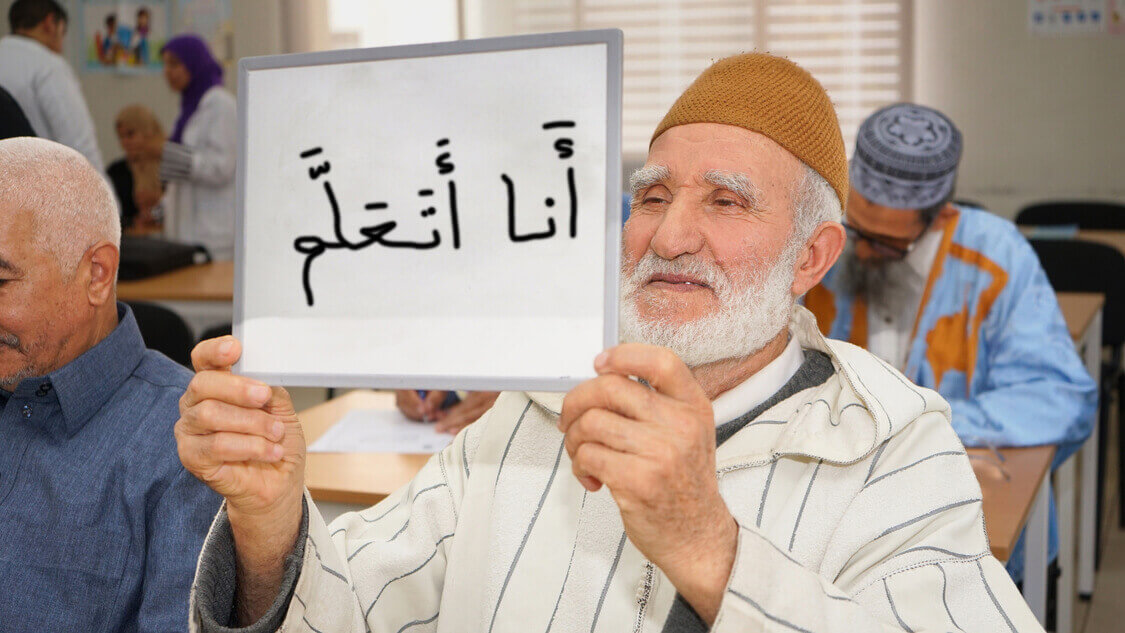
The ANLCA's andragogical approach is based on four main principles, ensuring its relevance and effectiveness:

  1. Autonomy: Adults define their priorities, make decisions, and direct their development according to their needs.
  2. Experience: Life skills are recognized as learning resources in their own right.
  3. Concreteness: Learning is anchored in real-life and useful situations.
  4. Immediate Usefulness: Adults are motivated by knowledge they can quickly apply in their daily lives.

By adopting this approach, the ANLCA makes literacy a tool for social transformation, a means of increasing individuals' capacities for action, while contributing to building a more inclusive and resilient society.

ANLCA Literacy Programs

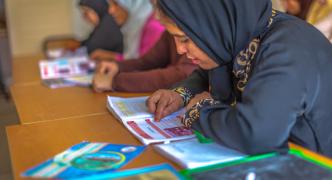
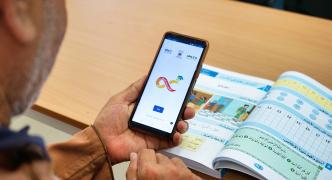
The National Agency for the Fight against Illiteracy (ANLCA) designs and implements educational programs specifically tailored to adult learners, aiming to strengthen their basic skills, foster social inclusion, and support economic independence. These initiatives utilize a diverse range of educational tools developed for both learners and trainers, ensuring consistent and effective delivery. Each program is carefully aligned with the social, professional, and cultural realities of its target audiences, forming part of a holistic approach to personal and collective development.
  • General Framework for Literacy Curricula
    Provides a comprehensive and evolving vision of literacy pathways, integrating basic skills and dimensions of social and professional integration.
  • Skills Framework
    Serves as a basis for designing, classifying, and enriching teaching tools, in line with the social roles of adult learners.

  • Literacy Manual – Empowerment Program
    Developed based on the skills framework, it provides a common core curriculum for adults who have never participated in an educational program.
  • Trainer's Guide
    Educational and operational document designed to support program implementation.

  • Qualification Manual
    Aims to equip learners with skills that will enable them to improve their socioeconomic conditions.
  • Trainer's Guide
    Practical tool for supervising educational activities related to the program.

  • Crafts
    • Manual – Level 1
      Provides for the acquisition of basic skills and their application in daily life.
    • Trainer's Guide – Level 1
      Supports the pedagogical application of the program.
    • Manual – Level 2
      Develops socio-professional skills for learners who have completed Level 1.
    • Trainer's Guide – Level 2
      Supports the implementation of the second phase of the program.
  • Maritime Fishing
    • Manual – Level 1
      Designed using an adult learning approach that takes into account adult experience.
    • Trainer's Guide – Level 1
      Serves as a methodological support for learning sessions.
    • Manual – Level 2
      Strengthens professional skills related to the fishing industry.
    • Trainer's Guide – Level 2
      Aims to support the operational component of the program.
  • Agriculture
    • Manual – Level 1
      Focuses on acquiring basic skills related to agricultural realities.
    • Trainer's Guide – Level 1
      Facilitates the educational implementation of the program.
    • Manual – Level 2
      Develops advanced agricultural and management skills.
    • Trainer's Guide – Level 2
      Provides a methodology adapted to adult training in the agricultural sector.

  • Literacy programs in French
    • "I Learn and I Develop Myself" Manual
      Allows participants to acquire the basics of French based on their real-life situations.
    • Trainer's Guide
      Operational tool to support trainers in teaching French to adults

  • Functional manual – Melkisation
    Designed to raise awareness among affected populations about land rights, the melkisation procedure, and sustainable land use.
  • Trainer’s guide
    Presents the context, objectives and teaching methods of the program.
  • Supporting documents
    A collection of legal texts and resources available to trainers.

  • Migrant Literacy Manual
    Developed as part of an international project, it enables the integration of migrants through the acquisition of basic skills.
  • Trainer’s guide
    Practical document for supervising sessions with this specific audience.

  • Literacy manual for inmates
    Promotes the acquisition of basic knowledge and values for future reintegration.
  • Trainer’s guide
    Supports those working in prisons.

  • Parental Literacy Manual
    Articulates basic skills and family responsibilities for intergenerational impact.
  • Trainer’s guide
    Methodological document to support this innovative program.

  • Literacy manual for merchants
    Adapts the learning of basic skills to the needs of business management.
  • Trainer’s guide
    Outlines the educational principles and content to be delivered.