
LLL Initiatives

ANLCA’s Commitment to Inclusive and Innovative Lifelong Learning
 

As part of its mission to fight illiteracy and promote lifelong learning (LLL), the National Agency for the Fight against Illiteracy (ANLCA) is leading innovative initiatives to reach people who are often excluded from traditional education systems. Here are two key actions:
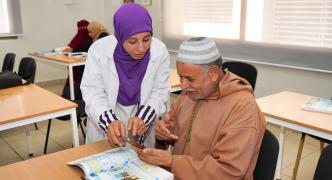
To reach those most affected by illiteracy, ANLCA has launched a human-centered initiative in collaboration with Moroccan universities. Through the “One-to-One” program, university students provide personalized literacy support to members of their own families or communities.

Launched at Cadi Ayyad University in Marrakech on National Literacy Day, this initiative is built on values of solidarity, civic engagement, and community support.

To eliminate educational barriers—whether geographic, social, or cultural—ANLCA is investing in digital solutions. The agency is developing mobile learning applications that allow learners to study remotely, at their own pace.

These tools offer flexible and independent learning support while complementing face-to-face programs. Digital innovation has thus become a key driver of ANLCA’s efforts to make lifelong learning accessible to everyone.

As part of the European Union’s Integrated Support Program for Training and Education (PIAFE), ANLCA is contributing to the development of a national vision for LLL by 2035.
This ambitious initiative aims to:

  • Build shared understanding among stakeholders.
  • Establish a clear, structured roadmap.
  • Promote cross-sectoral governance frameworks.
  • Integrate LLL fully into public policy.

To expand access and ensure lasting impact, ANLCA is creating community-based Lifelong Learning Centers across the country. These centers will:

  • Provide continued education and basic literacy training.
  • Offer guidance for lifelong learning journeys.
  • Recognize and validate non-formal learning outcomes.

These centers reflect ANLCA’s strong commitment to social and economic inclusion through education, offering local and lasting solutions tailored to real community needs.